This Place from Laurie
http://lauriesnotes.com/2015/03/24/this-place-2
This Place
This Place from Laurie
http://lauriesnotes.com/2015/03/24/this-place-2

This Place from Laurie
http://lauriesnotes.com/2015/03/24/this-place-2
The Magical Place of In-between
http://lauriesnotes.com
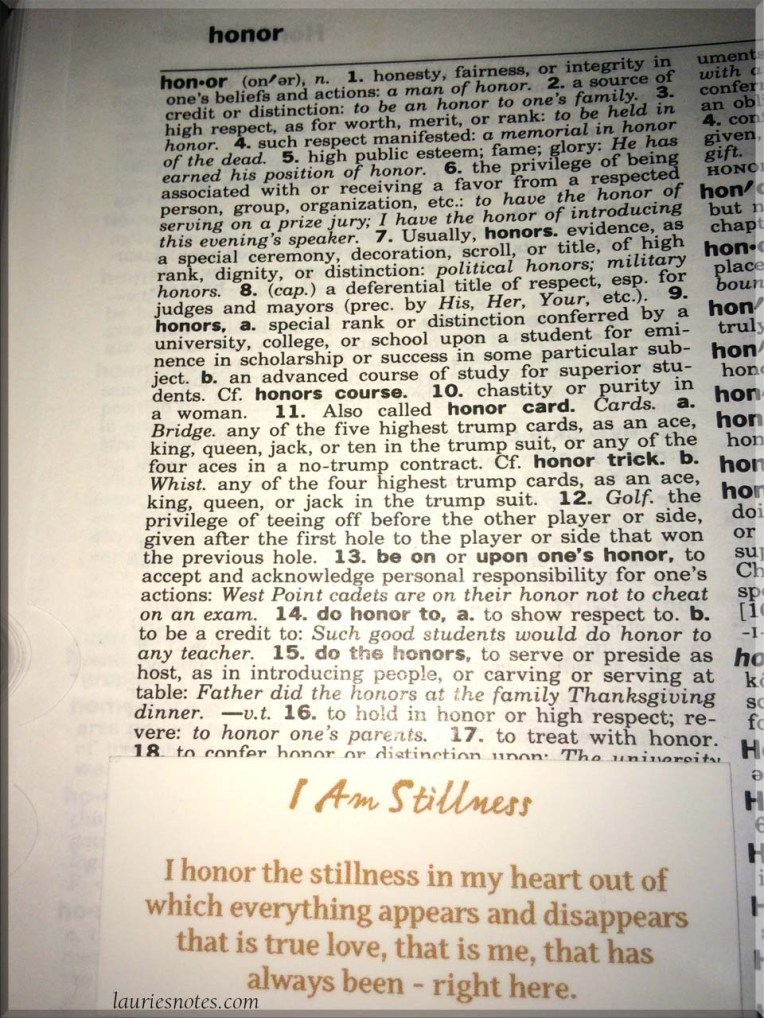

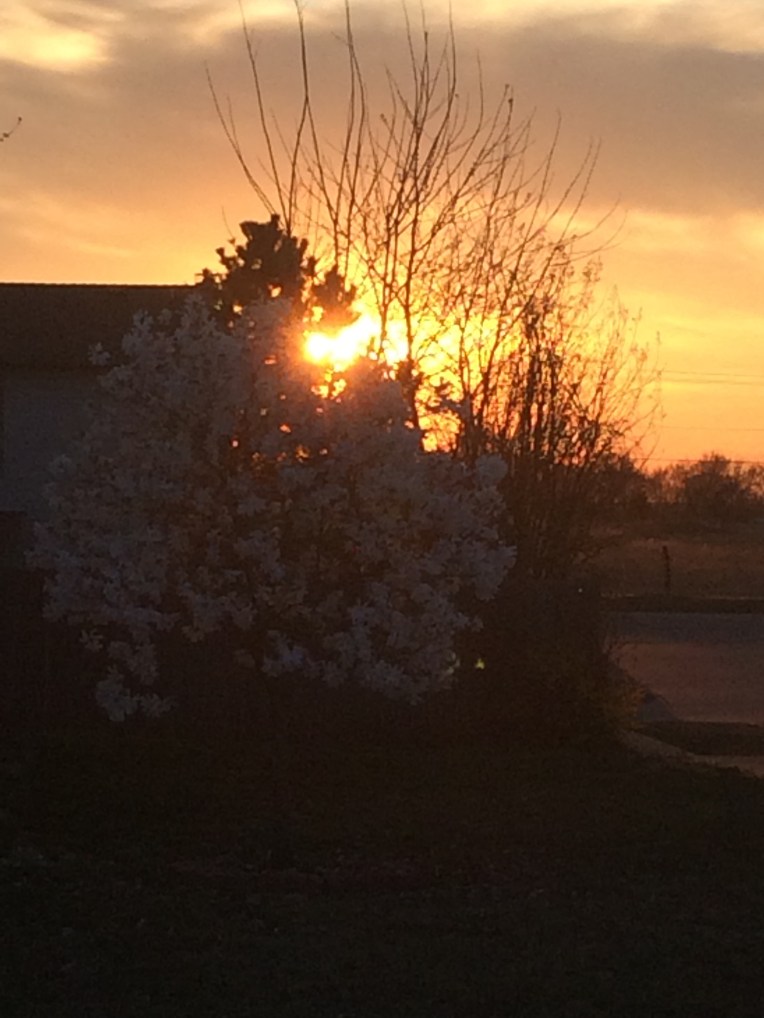
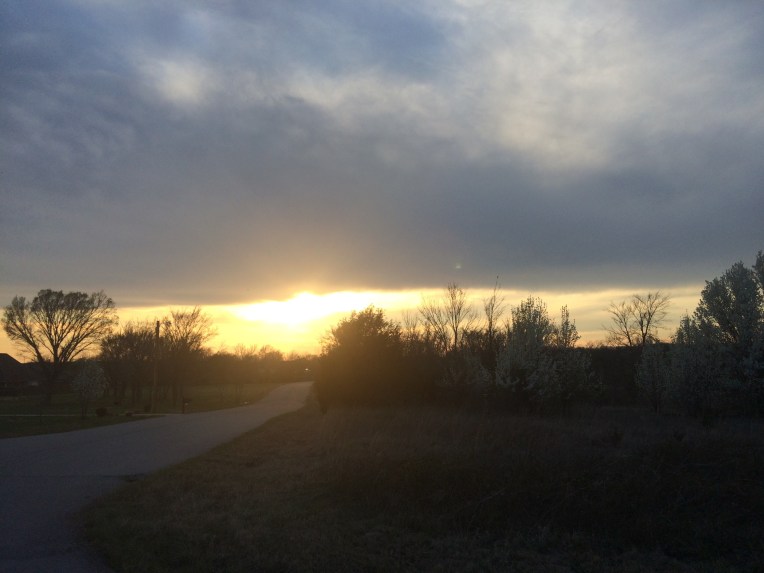
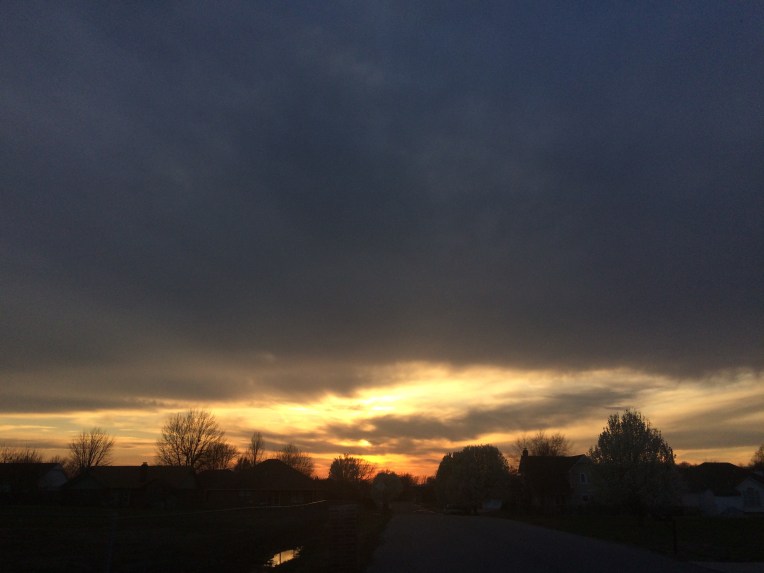
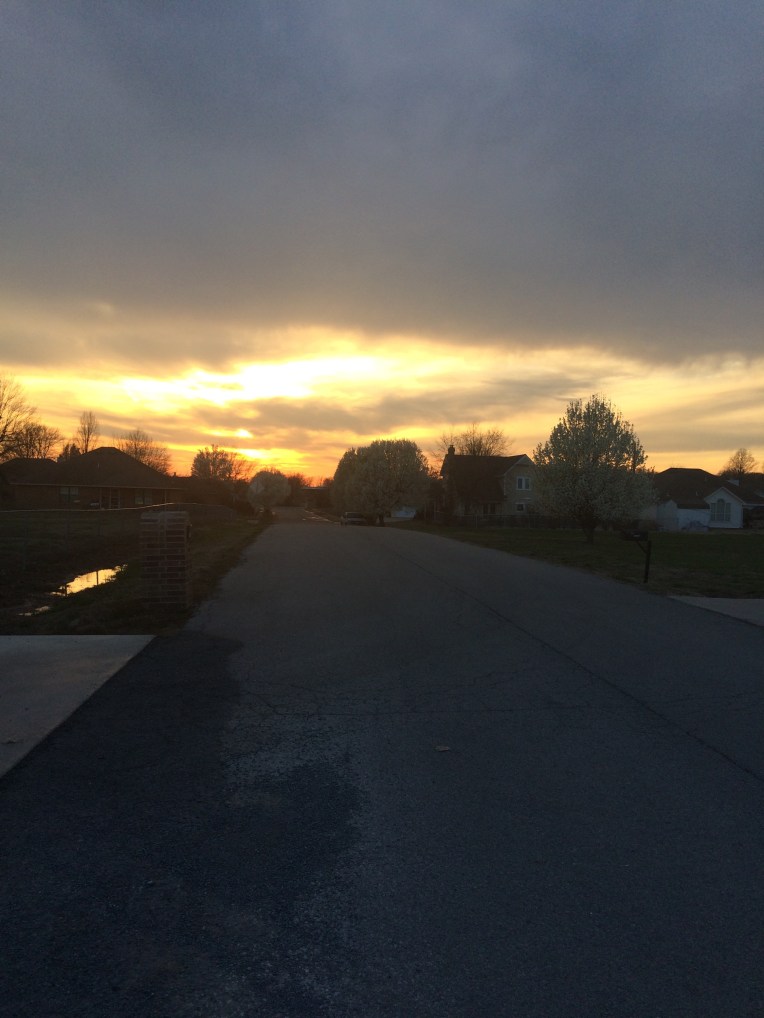
Today was in a hurry but I had to stop and take this in! Wow! I never get tired of these!
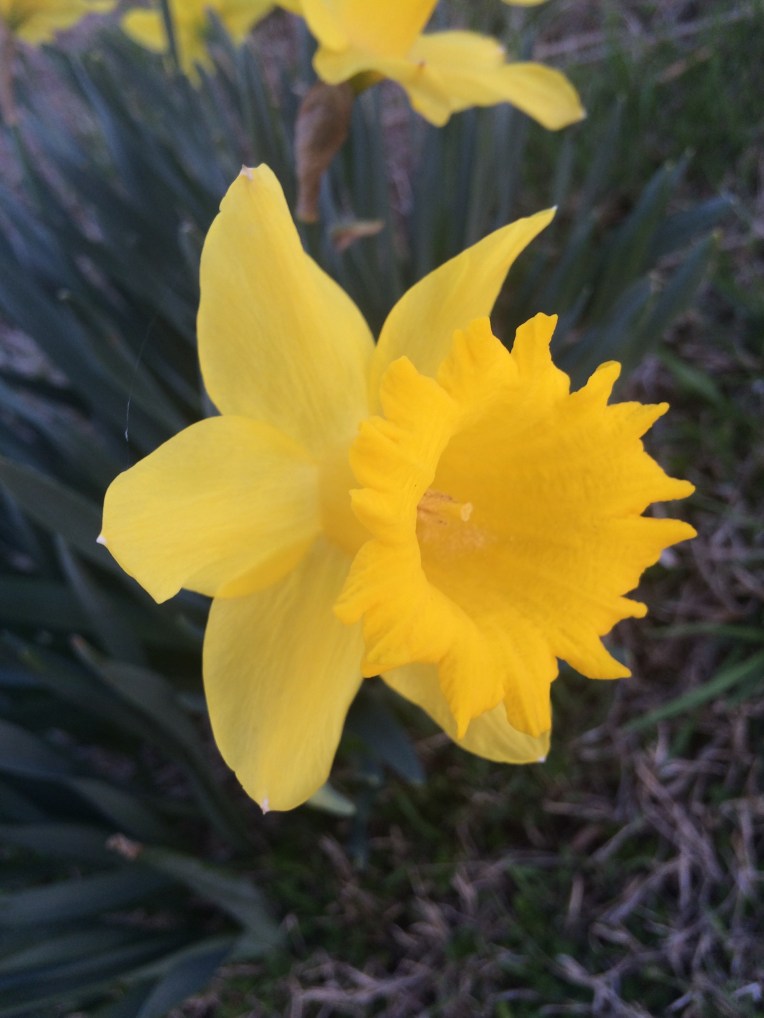
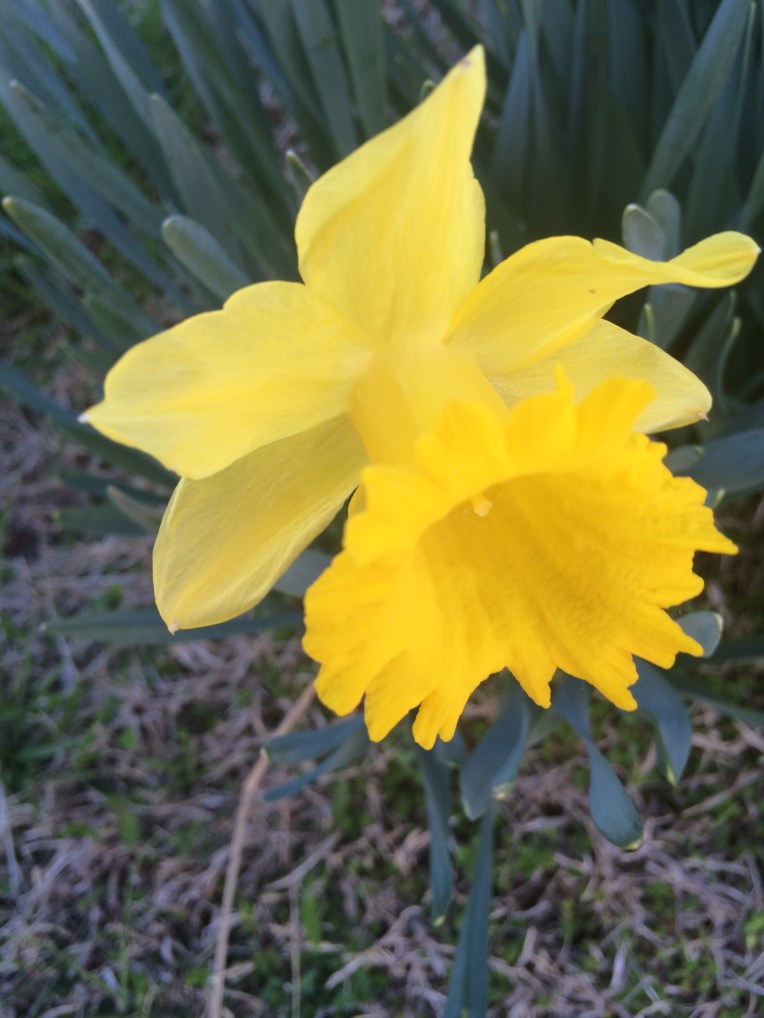


so I shared them all


I have this friend who speaks of healing, about wholeness, and realizing we have all we need deep down inside of us!
Today she wrote of birds singing and on my walk tonight it was as if they arrived tonight in the wings of her words I think!
The smell of magnolias I stopped me! Wow have they always been this sweet!

The coolest thing is I realized I’ll never be an award winning photographer or an acclaimed artist or poet, oh thank God! I didn’t start out trying to be! When I started out I had a desire to be part of something big!
Today I realized I already am!
“Did you know that sand dollars are alive?” I said.
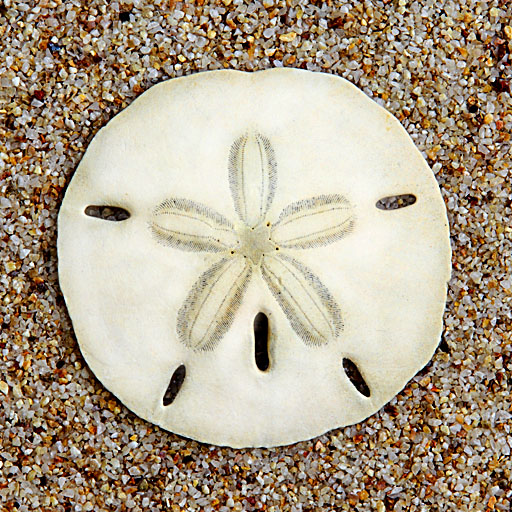
I watched and they tossed one into their bucket. I looked down and saw one and noticed it looked like it was moving, so I leaned in for a closer look and sure enough it was burrowing into the sand. I didn’t have the heart to toss it in a bucket. This morning I saw this photo and I remembered this trip to Panama City Beach and I wondered were the bucket of sand dollars was that everyone, but me collected. Didn’t seem right to remove a living animal from it’s habitat, toss it into a bucket to never be thought of again once home from vacation.
“Did you know that sand dollars are alive?”
My Encyclopedia says this about them.
Sand dollar, any of the invertebrate marine animals of the order Clypeastroida (class Echinoidea, phylum Echinodermata) that has a flat, disk-shaped body. They are close relatives of sea urchins and heart urchins. The sand dollar is particularly well adapted for burrowing in sandy substrates. Very small spines used for digging and crawling cover the entire surface of its body and are appressed backwards toward the posterior anus. The mouth is located in the centre of the body’s underside. The upper surface exhibits pentaradiate symmetry, with a pattern of five “petals” spreading out from the centre. Some species found stranded on the shores of North America have five or six slots, or lunules, through the test (external skeleton). Most sand dollars measure from 5 to 10 cm (2 to 4 inches) in diameter. Species of comparable size occur in shallow coastal waters throughout the rest of the world, except in Europe and Antarctica.
Reference
http://www.britannica.com/EBchecked/topic/521929/sand-dollar
 Tell Me About It
You must be logged in to post a comment.